

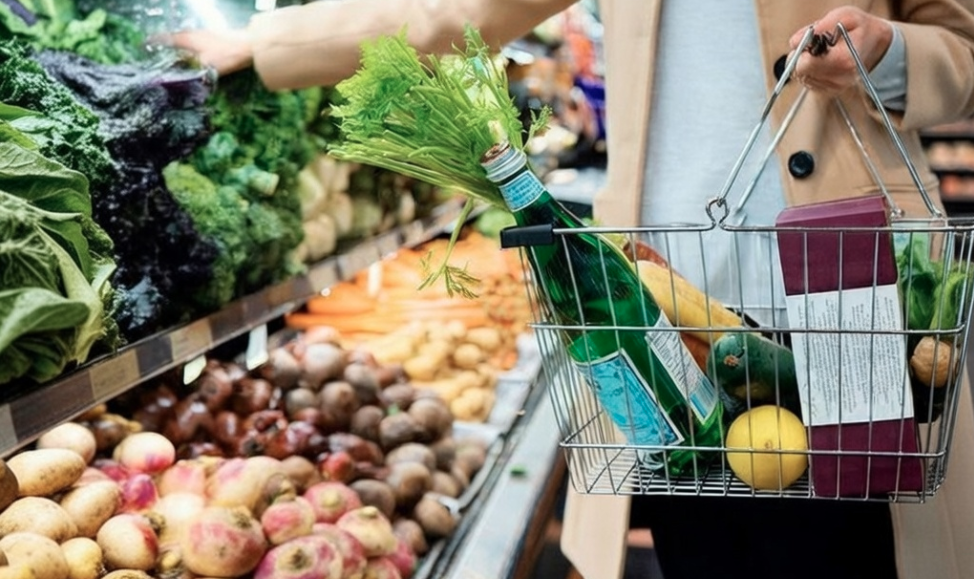

A lot of people face tough times with grocery costs these days at stores. Experts predict food prices at home will climb about 2.3% in 2026, according to the USDA. Meanwhile, many families deal with smaller SNAP benefits after pandemic aid ended, with some losing over $250 monthly.
Yet, you can slash your bill no matter the situation. Cook more at home instead of eating out, and hunt for smart deals in the store. Anyone can trim expenses with a few habits. So, let’s explore fresh ideas to stretch your dollars further during your next shop.
Grab Those Discounted & Near-Expiration Items
Stores often slash prices on goods nearing their sell-by date, but sometimes they just want to clear space fast. For example, places like Whole Foods sell odd-shaped cheese chunks at a steal because workers cut big wheels unevenly. These pieces work great for testing new flavors without splurging, or grabbing small amounts for recipes.
Plus, even rinds from hard cheeses like Parmesan add rich taste to soups or sauces. Additionally, look for “ugly” fruits and veggies with bumps—these taste fine but cost less than perfect ones. In fact, buying imperfect produce cuts waste and saves cash, as one tip from zero-waste experts suggests. Next time, scan the discount bins first to snag these bargains.
Make Your Meat & Fish Go Further
Protein like meat racks up costs quickly, so make it last longer in meals. Add fillers such as rice, beans, or veggies to dishes, turning them into hearty stews or soups that feed more people. For ground meat in burgers or loaves, mix in oats or lentils—aim for half a cup of oats per pound to blend seamlessly after cooking.
Oats stay cheap, pack nutrition, and store for years. Moreover, swap pricey cuts for tougher ones like pork shoulder, which tenderize well in slow cookers. This approach not only saves money but also boosts fiber and veggies in your diet.
Buy in Bulk Wisely – Only What Your Family Will Finish
Warehouse spots like Costco lure shoppers with big packs at low prices, yet overbuying leads to spoilage and lost cash. Plan ahead: check your home stock and buy just enough for your family. For instance, freeze extra meat in portions for later meals, or split bulk buys with friends to share savings without waste.
The UN urges smart shopping to avoid cramming fridges, which speeds up spoilage from poor air flow. However, items like rice or oats work well in large quantities since they last forever. Always weigh shelf life against your usage.
Choose In-Season & Local Fruits & Vegetables
Head to farmers’ markets or join a CSA box for fresh picks straight from nearby growers—these often beat store prices and support your community. If no market sits close, stick to in-season fruits and veggies at the supermarket; they cost less without import fees. Use online guides like seasonalfoodguide.org to spot what’s ripe now in your area.
For example, winter brings affordable citrus and root veggies. Furthermore, frozen or canned options sometimes outshine fresh out-of-season stuff—they lock in peak nutrients and flavor at lower costs. This habit keeps bills down while delivering better taste.
Turn Kitchen Scraps into Free Extras
Turn kitchen leftovers into treasures instead of trash—this boosts your budget and helps the planet. Freeze onion skins, carrot tops, or garlic peels to boil into free veggie stock later. Bones from chicken or shells from shrimp make flavorful bases for soups too. Stale bread? Grind it into breadcrumbs or thicken sauces.
Even blend scraps with water for plant food if you garden. These steps cut waste, which hits families hard at $1,500 yearly on average. Plus, you control flavors and salt levels in homemade items. Trade Old Electronic Gadgets for Groceries and Costco Gift Cards.
Look for Cheap Shopping Deals Using Grocery Apps
Smartphone tools transform how you shop for food. Download your store’s app for exclusive sales, digital coupons, and loyalty perks. Apps like Flipp let you browse flyers from multiple spots, build lists, and compare prices without driving around.
For waste-fighting wins, try Too Good To Go or Flashfood—they sell surplus bakery goods or near-expiry items at deep discounts. Ibotta offers cash back on scans of receipts. Pick one or two that fit your routine to stack savings effortlessly.
Avoid unnecessary Things You Don’t Really Need
Stick to essentials to dodge extra spending. Inventory your pantry and fridge before heading out, then craft a tight list. Shop on a full stomach to skip hunger-driven grabs. Tally prices as you add to your cart—round up each item for a buffer, and you’ll smile at checkout when the real total dips lower. This trick helps you drop impulse buys that inflate bills.
Shop at the Smartest Time for the Best Prices
Timing your trips unlocks top deals. Weekdays beat crowded weekends, and Wednesdays shine as stores markdown old stock and refresh shelves. Holidays bring seasonal steals too—grab pre-event sales on basics, or post-holiday clearances on treats. For example, olives or dips go cheap around big gatherings. Always check dates on discounts to ensure you use them in time.
Say No to Pre-Cut & Ready-Made Ingredients
Skip ready-chopped veggies or deboned meats—these hike prices for convenience you can handle yourself. Whole carrots or onions cost far less, and you repurpose peels for stock. Cheese blocks give more volume than shredded packs, plus they melt better without anti-clump additives. Rendering fat from skins creates free cooking oil. Sure, it takes a minute more, but the savings add up big.
Cook Big Batches & Freeze for Later
Batch cooking locks in portions and prevents overbuying. Whip up a big pot of chili or soup on weekends, then divide into containers for freezing—thaw just what you need to avoid refreezing risks. Meals last two months frozen. Or try canning fruits and veggies at home for shelf-stable options; a pressure canner handles meats safely too. This method shows exactly how far ingredients stretch.
Cut Down on Meat – Load Up on Yam, Potatoes & Beans
Cut back on meat to ease wallet strain—opt for sales on whole birds or bone-in cuts, which run cheaper. Stretch ground varieties with grains. Better yet, replace some with filling plants like potatoes, beans, or eggs. These store long without fridges, cook versatile ways, and pack health perks. Eggs shine beyond breakfast in stir-fries or bakes. Overall, less meat means more savings and variety.
Compare Prices Between Markets, Supermarkets & Brands
Hunt prices between shops—apps make this quick. Split trips if one spot excels in produce and another in packaged goods. Inside stores, grab generics; they match name brands in taste but slash costs. Look high and low on shelves, as pricey items sit at eye level. Sam’s Club or Walmart often undercuts others on basics, but check coupons for extra wins.
Sign Up for Free Store Loyalty Cards & Get Extra Discounts
Sign up for free store cards to unlock member deals—these deduct savings automatically at checkout. Stack them with coupons for bigger cuts. Some load digitally via apps. Research which program fits your habits, as they reward repeat visits. Combine with other tips here for max impact. Your ideal mix might evolve, but starting small yields quick wins on food costs.
You May Also Like this:
- Costco Shopping Alternatives and Similar Stores to Buy Quality Products – Costco Competitors
- The Ways Costco Online Shopping Differs From Their Warehouse
- 4 Reasons Costco Online Shopping is Not Convenient