
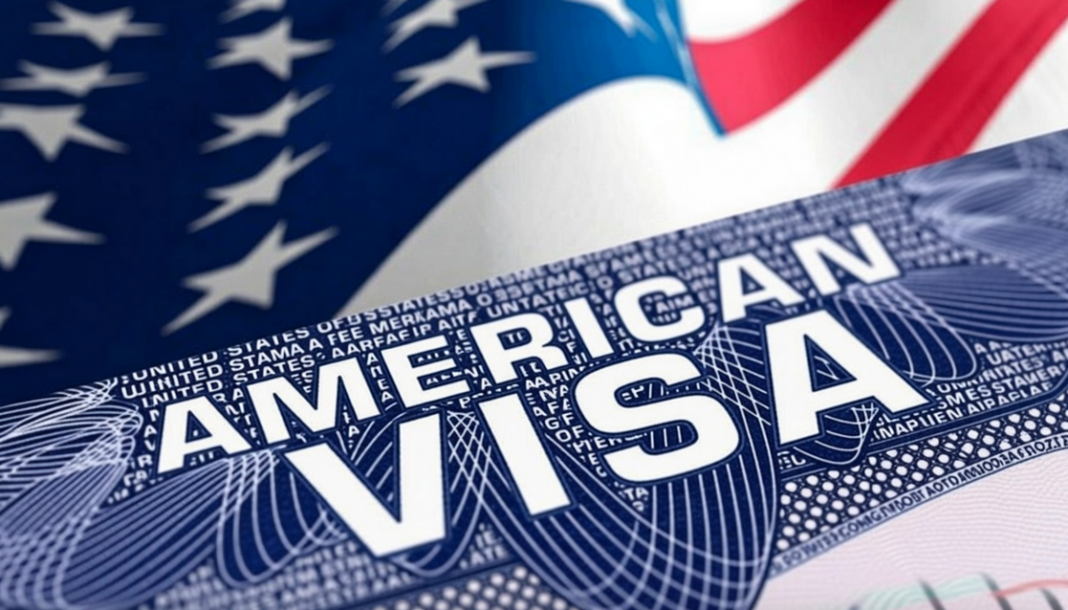

For Nigerians aspiring to travel, study, work, or immigrate to the United States, the US Visa Policy has undergone significant transformations under the second term of President Donald Trump (2025-2029). This year, stringent visa ban as well as restrictions have been imposed, affecting both immigrant and non-immigrant visas. These policies stem from concerns over national security, economic burdens, and immigration compliance, disproportionately impacting high-overstay nations like Nigeria.
This article explains the latest updates of the US Visa Policy Update, the factors contributing to these bans (including missteps by Nigerians and their government). It also talks about the projected impacts through Trump’s tenure ending in January 2029, and speculative insights into what the next US president might do. Finally, it also offers practical advice for Nigerians overcoming these challenges.
New Update: US State Department announcement on visa suspensions for Nigeria and other countries. But, before the ban is lifted, it is recommended that you acquaint with the US Diversity Visa Lottery from Nigeria: Application Guide, Trump’s Policies, which also included the pathways ahead.
Current US Visa Policy Updates for Nigerians
The Trump administration has reinstated and expanded visa restrictions, building on policies from his first term.
Immigrant Visa Pause:
Effective January 21, 2026, all immigrant visa processing are on hold for nationals of 75 countries, including Nigeria. This affects family-based, employment-based, and diversity visas, aimed at ensuring immigrants are financially self-sufficient and not likely to become a “public charge” (relying on government benefits). Exceptions are limited to ethnic as religious people (members of the LGBTQ+ community, Indigenous peoples, marginalized groups) facing persecution, dual nationals using non-restricted passports, and certain humanitarian cases.
Non-immigrant Visa Suspensions:
Starting January 1, 2026, issuance of B-1/B-2 (tourist/business), F/M (student), and J (exchange visitor) visas is partially suspended for Nigerians. This expands a 2020 ban lifted by Biden in 2021. Existing valid visas are not revoked, but new applications are paused unless qualifying for waivers (e.g., diplomats or urgent medical needs).
Broader Context:
These measures are part of Presidential Proclamation 10998 (December 16, 2025), restricting entry from countries deemed high-risk for security or overstay reasons. Nigerians can still apply and schedule interviews, but approvals are rare, with stricter scrutiny on financial status, health, age, and English proficiency.
These policies have frozen over 100,000 pending visas globally, with Nigeria heavily affected due to its large applicant pool.
Why did Trump administration to suspend immigrant visa processing for 75 countries?
The Trump administration suspended immigrant visa processing for nationals of 75 countries starting January 21, 2026, primarily to tackle concerns over “public charge” risks—ensuring immigrants are financially independent and do not become a burden on U.S. taxpayers by relying on welfare or public benefits.
This indefinite pause allows the State Department to conduct a full review of policies, regulations, and guidance to prevent such dependencies, targeting countries deemed high-risk based on factors like health, age, finances, and English proficiency. The move aligns with Trump’s “America First” emphasis on protecting American resources.
Factors Contributing to Trump’s Visa Bans: What Nigerians and Their Government Are Doing Wrong
Trump’s policies cite specific issues with Nigeria, rooted in data and perceived shortcomings:
- High Visa Overstay Rates: Nigeria has a B-1/B-2 overstay rate of 5.56% and F/M/J rate of 11.90%, per US reports. This means many Nigerians enter legally but stay beyond their visa validity, straining resources and raising security flags.
- Security and Terrorism Concerns: Groups like Boko Haram and ISIS-West Africa cause mayhem in Nigeria, creating vetting challenges. The US criticizes insufficient information sharing on criminal/terror records.
- Public Charge Risks: Many Nigerian applicants are seen as likely to use US public benefits, based on factors like low income or limited skills.
- Government Shortcomings: Nigeria’s government has been faulted for poor cooperation in repatriating overstayers, inadequate passport security (high fraud rates), and corruption in immigration processes. Delays in sharing biometric data exacerbate issues.
- Individual Behaviors: Fraudulent applications, fake documents, and asylum abuse by some Nigerians erode trust, leading to blanket restrictions.
These factors, merged with Trump’s “America First” stance, justify the bans in US eyes.
Impacts on Nigerians Until Trump’s Tenure Ends in 2029
The restrictions will persist through Trump’s term (ending January 20, 2029), with profound effects:
- Travel and Education Disruptions: Thousands of Nigerian students (over 17,000 in US pre-ban) face halted F/M/J visas, delaying studies and careers. Tourist/business travel grinds to a halt, affecting trade (Nigeria-US bilateral trade ~$10B annually).
- Family and Economic Hardships: Family reunifications pause, separating loved ones. Remittances (~$25B from US diaspora) may decline as migration slows.
- Long-Term Consequences: By 2029, backlogs reach millions globally, with Nigerians disproportionately affected. Economic losses for Nigeria: reduced diaspora contributions, brain drain reversal.
- Potential Escalations: Trump may expand bans if overstay rates don’t improve, or tie relief to Nigerian concessions on security cooperation.
Positive note: Non-restricted visas (e.g., diplomatic, certain work) continue, and waivers exist for exceptional cases.
What the Next US President Might Do Regarding Visas
The 2028 election (inauguration January 2029) will shape post-Trump policy. Speculatively:
- If a Democrat Wins (e.g., Kamala Harris, Gavin Newsom): Likely to reverse bans, as Biden did in 2021. Focus on inclusive immigration, lifting restrictions to rebuild alliances and boost diversity. Expect resumed processing, though with enhanced vetting.
- If a Republican Wins (e.g., JD Vance, Ron DeSantis): May maintain or tweak restrictions, aligning with MAGA priorities. However, pressure from business lobbies (needing skilled workers) could ease student/employment visas.
Overall, a shift to Democrats increases chances of relief for Nigerians, but global trends (e.g., anti-immigration sentiment) may temper changes. Nigeria should lobby through diplomacy.
Alternatives and Advice for Nigerians for this US Visa Policy
- Other Destinations: Pursue visas for Canada (Express Entry), UK (Skilled Worker), or Germany (Job Seeker Visa) – easier for skilled Nigerians.
- US Options: Focus on unrestricted visas like H-1B (lottery-based) or O-1 (talent). Build qualifications abroad.
- Advocacy: Join diaspora groups lobbying for change; improve personal compliance to reduce overstay stats.
Nigeria’s government can: Enhance diplomatic ties, improve data sharing, combat fraud, invest in education/skills for global competitiveness, and expand bilateral agreements (e.g., with EU for mobility pacts).
Conclusion
Trump’s visa policies pose significant setbacks for Nigerians until 2029, caused by previous travelers overstay and security issues. While challenging, focusing on alternatives and reforms can mitigate impacts. Stay updated for the US Visa Policy updates via official channels for new information.