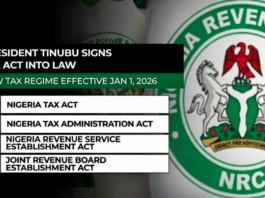
The Nigerian Tax Reform Bills (now Acts), often referred to collectively as the Nigeria Tax Reform Acts 2025, represent the most comprehensive overhaul of Nigeria’s tax system in decades. These landmark laws were signed into law by President Bola Ahmed Tinubu on June 26, 2025, and became effective from January 1, 2026.
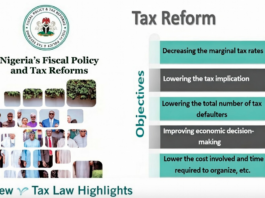
The four Acts aim to simplify Nigeria’s fragmented tax regime (previously involving over 60 overlapping taxes), broaden the tax base, improve compliance, reduce multiple taxation, enhance revenue mobilization, and make the system more equitable and business-friendly—without increasing the VAT rate or overburdening low-income earners.
The Four Key Nigeria Tax Acts
1. Nigeria Tax Act (NTA) 2025
This is the core substantive law that consolidates and replaces major existing statutes, including the Companies Income Tax Act, Personal Income Tax Act, Value Added Tax Act, Capital Gains Tax Act, and others.
- It introduces a unified framework for taxing income, profits, gains, transactions, and instruments.
- Key provisions include progressive personal income tax with exemptions for low earners (up to ₦800,000 annually tax-free), reduced corporate income tax rates (phased down to 25% for large companies), a new 4% Development Levy replacing multiple sector-specific levies (e.g., Tertiary Education Tax, NASENI Levy), expanded VAT zero-rating/exemptions on essentials, and rules for digital services, indirect share transfers, and global minimum tax (15% effective rate for large multinationals).
- It modernizes incentives (e.g., replacing Pioneer Status with targeted Economic Development Tax Incentives) and addresses petroleum, mining, gaming, and free zones.
2. Nigeria Tax Administration Act (NTAA) 2025
This provides a uniform procedural framework for administering taxes across federal, state, and local levels
- It standardizes filing, assessment, audits, refunds, appeals, and enforcement (e.g., mandatory electronic filing, real-time returns, presumptive taxation for informal sectors, and stiffer penalties for evasion).
- It empowers advance rulings, joint audits, and digital compliance tools to reduce corruption and harassment.
3. Nigeria Revenue Service (Establishment) Act (NRSA) 2025
This replaces the old Federal Inland Revenue Service (FIRS) Act and establishes the more autonomous Nigeria Revenue Service (NRS).
- The NRS now collects all federal taxes and designated non-tax revenues (including petroleum royalties previously handled elsewhere).
- It features enhanced operational independence, a performance-driven structure, retention of a portion of collections for administration, and stronger enforcement powers (e.g., direct deductions from defaulting agencies).
4. Joint Revenue Board (Establishment) Act (JRBA) 2025
This creates the Joint Revenue Board to foster coordination and harmonization between federal, state, and local revenue authorities.
- It replaces the old Joint Tax Board, expands membership (including state IRS chairs, customs, immigration, etc.), and focuses on resolving disputes, sharing information, and ending multiple taxation.
- It also establishes mechanisms like the Office of the Tax Ombud for taxpayer complaints.
Objectives and Impact of the Nigeria Tax Bill
The reforms seek to raise Nigeria’s low tax-to-GDP ratio (around 10%) toward the African average (16-18%) by making taxation more efficient, progressive, and transparent. They protect vulnerable groups (e.g., no tax on minimum wage earners, VAT relief on basics), support small businesses (exemptions for tiny enterprises), and attract investment through simplified rules and reduced compliance burdens.
While praised for modernization and potential revenue growth to fund infrastructure, health, and education, the laws sparked debates over implementation challenges, digital divides, and perceived burdens on certain sectors.
Public Opinion on Nigeria’s 2025 Tax Reform Acts
Nigerians’ views on the new tax reforms (signed into law in June 2025 and effective January 1, 2026) are sharply divided, but a significant portion expresses strong rejection, often framing the laws as burdensome, fraudulent, or anti-poor.
Based on recent social media discussions (primarily on X, formerly Twitter) and news reports from early 2026, public sentiment leans toward opposition, driven by economic hardships like inflation, lack of visible government benefits, and allegations of post-legislative alterations.
However, a minority supports the reforms as essential for economic growth and accountability, viewing criticism as politically motivated or rooted in tax evasion habits.
Similar Taxation Updates
- The Role of The Attorney General in Taxation and Tax-Related Matters
- Tax implications on Cash-out Refinance for Homeowner rental property
- Legal Industry Adopts Cloud Computing for Solicitors & Law Firms
- Benefits of Registering your Business Name with CAC (Corporate Affairs Commission)
What Nigerian people are saying about the new Nigerian tax reform bill: Acceptance vs. Rejection
Rejection (Dominant Sentiment) of Nigerian Tax Reform Bills:
Many Nigerians argue the reforms exacerbate poverty by indirectly taxing everyday purchases through consolidated sales taxes, despite exemptions for low earners (e.g., incomes up to ₦800,000 annually tax-free). Critics highlight a “broken social contract,” where citizens pay more without seeing improvements in infrastructure, healthcare, or education.
Protests and calls for resistance are common, with groups like the National Association of Nigerian Students (NANS) mobilizing nationwide actions, describing the laws as “punitive” and likely to “tax poverty and hunger.” The Socialist Party of Nigeria (SPN) condemned them as enabling elite looting while worsening hardship.
Social media posts echo this: one user warned of “serious chaos” worse than Kenya’s revolts, calling it a “wakeup call” for overtaxed citizens. Another broke down how sales tax hikes could inflate costs (e.g., a ₦5,000 item becoming ₦7,000), with no controls on price gouging.
Allegations of “forgery” or secret changes to the gazetted versions fuel distrust, with users labeling it “governance by ambush” and urging street protests. Northern leaders and governors initially rejected aspects like VAT derivation, fearing revenue losses. Small business owners (SMEs) show resistance by insisting on cash payments to avoid bank-tracked inflows, despite assurances of exemptions for tiny enterprises. Overall, rejection stems from “reform fatigue” and a trust deficit—past policies like subsidy removal raised costs without benefits.
Acceptance (Minority View) Nigerian Tax Reform Bills:
Supporters see the reforms as progressive, exempting 97% of small businesses from corporate income tax (CIT) and simplifying over 50 fragmented laws into fewer than 10. They argue it’s “business-friendly” for MSMEs, targets big firms and oil companies, and fixes issues like remote work taxation.
Some dismiss opposition as from the informal sector avoiding taxes, urging people to “pay your dues, then demand accountability.” Positive impacts cited include Kogi State’s early adoption boosting compliance and investor confidence. The World Bank raised Nigeria’s 2026 GDP projection to 4.4%, crediting the reforms. However, even supporters acknowledge trust issues in revenue spending.
Public discourse is polarized along political lines: Opposition figures like Peter Obi call for a pause, citing 31 flaws and lack of transparency, while APC-aligned voices label critics as “gbajue gang” (fraudsters) fearing positive changes. As of mid-January 2026, rejection appears more vocal, with ongoing protests and debates, but no widespread acceptance yet—many describe Nigerians as “docile” but predict eventual chaos.
Tax Experts’ Views of Nigerian Tax Reform Bills
Experts’ opinions are mixed: Many praise the reforms for modernization and equity, but others highlight technical flaws, implementation risks, and insufficient public education. Global firms like KPMG, PwC, Deloitte, and EY have weighed in extensively.
Positive Assessments of Nigerian Tax Reform Bills:
Taiwo Oyedele (Presidential Committee Chairman) defends the laws as protecting low earners and small businesses, appealing for public backing amid threats and dismissing silence as empowering opponents. PwC describes them as “transformative,” aligning with global practices like OECD’s BEPS and introducing controlled foreign company rules.
Deloitte provides sectoral insights, noting streamlined administration. EY highlights the unified framework broadening the base while boosting revenue. Dr. Paul Alaje (SPM Professionals) calls it “landmark,” but stresses success depends on trust and stability. Robert Ajigboye notes real relief for sub-threshold businesses via exemptions.
Criticisms and Concerns of Nigerian Tax Reform Bills:
KPMG flagged 31 “critical flaws” (errors, inconsistencies, gaps), urging urgent review to avoid disputes and confusion. They argue the system is too complex, requiring closed-door explanations even for experts. Dr. Muda Yusuf (CPPE) attributes resistance to lived experiences of past reforms failing to deliver.
Experts like Dr. Aloy Chife criticize simplistic defenses, noting insecurity hampers growth stimulation. Some seek clearer education, warning ambiguities could erode gains. Overall, experts agree on the need for fixes, better communication, and monitoring to ensure progressivity.
Nigeria Revenue Service (NRS) Statements
The NRS (formerly FIRS, rebranded under the reforms) staunchly defends the laws, emphasizing no new burdens and clarifications on misconceptions. Official statements focus on modernization, equity, and debunking “misleading narratives.”
Key Positions:
NRS clarifies VAT on bank charges (e.g., transfers, commissions) is not new—it’s longstanding under existing regimes, not introduced by the 2025 Acts. They praise states like Kogi for early adoption, citing improved compliance and investor confidence. Chairman Zacch Adedeji dismisses criticisms as “politically motivated,” stressing the reforms consolidate laws for efficiency and protect the vulnerable.
NRS highlights benefits like AI-driven approvals, mandatory Tax IDs (using NIN/RC numbers), and exemptions for essentials (e.g., no VAT on rent, transport, or basics). They position the Acts as fostering transparency and economic consolidation, crediting them for stabilizing inflation and boosting GDP projections. No admissions of flaws; instead, focus on guidance and stakeholder engagement for smooth rollout.
For deeper dives, check NRS’s official channels (@OfficialNRSNG on X) or nrs.gov.ng. If you need specifics for Abuja-based compliance, let me know!
NOTE: For the latest official details, check resources from the Nigeria Revenue Service (once fully operational) or the Federal Ministry of Finance. If you’re a business owner or individual taxpayer in Abuja or elsewhere, reviewing your compliance setup early in 2026 is advisable—especially with the shift to digital-first processes.