Businesses face constant pressure to adapt quickly in today’s fast-paced world. They need flexible tools that handle data, apps, and growth without breaking the bank. Enter hybrid cloud solutions. These setups mix public cloud services with private on-site systems. Companies gain the best of both worlds: speed from the cloud and control from their own hardware.
As we hit 2026, hybrid cloud stands out as a smart choice for many organizations. It helps them scale up, cut costs, and stay secure. Moreover, experts predict the hybrid cloud market will soar to over $500 billion by 2032. This growth shows how vital these solutions have become.
In this tutorial, I walk you through hybrid cloud basics. I explain what it means for your business. Then, I cover the perks, how it operates, and a simple step-by-step setup guide. Additionally, I touch on security tips, trends, and real-world examples. Let’s dive in and make this easy to grasp.
What Exactly Is Hybrid Cloud?
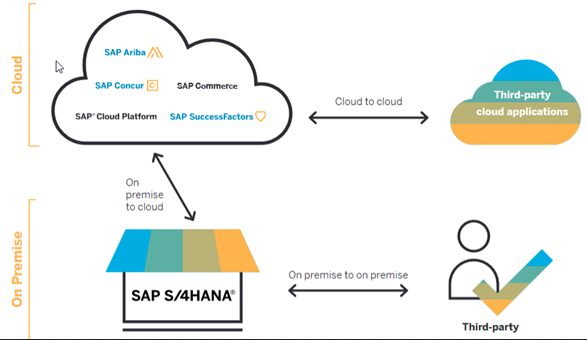
Hybrid cloud combines different computing environments into one smooth system. Think of it as a team effort. You have public cloud providers like AWS, Azure, or Google Cloud. These offer shared resources over the internet. Next, private cloud or on-premises setups keep sensitive stuff in-house. Businesses connect them all with networks, APIs, and tools for seamless data flow.
For instance, a retail company stores customer data securely on-site. At the same time, they use public cloud for quick app testing. This mix avoids vendor lock-in. It lets you pick the right spot for each task. However, not every setup qualifies as hybrid. True hybrid needs easy movement of workloads between environments. Tools like containers and Kubernetes make that happen. They package apps so they run anywhere without tweaks.
In 2026, hybrid often includes multi-cloud too. That means using several public providers. Organizations avoid relying on one vendor. Instead, they spread risks and grab the best features from each.

Key Benefits for Businesses in 2026
Hybrid cloud delivers real advantages that drive business success. First, it boosts flexibility. You scale resources up or down as needs change. During peak seasons, burst into the public cloud for extra power. Then, pull back to save money. This approach cuts costs by 30-40% for many firms.
Additionally, security improves. Keep critical data private while using public cloud for less sensitive tasks. Compliance becomes easier too, especially for industries like healthcare or finance. Regulations demand data stays in certain places. Hybrid lets you meet those rules without sacrificing speed.
Innovation thrives here. Teams experiment with AI and edge computing faster. For example, integrate generative AI for big data crunching. Developers build once and deploy anywhere, speeding up projects. Productivity jumps as a result.
Moreover, hybrid supports remote work. With hybrid setups, employees access tools from anywhere. This fits the permanent shift to flexible offices. Businesses also gain resilience. If one system fails, switch to another quickly. Downtime drops, and customers stay happy.
Experts note that 90% of enterprises will adopt hybrid by 2027. It handles growing data volumes from Internet of Things (IoT) and Artificial Intelligence (AI). Overall, hybrid turns IT from a cost center into a growth engine.
How Hybrid Cloud Works on the Background
Understanding the mechanics helps you see its power. At the core, hybrid relies on connectivity. Wide area networks, VPNs, and APIs link your on-premises gear to cloud services. Data moves securely between them.
Virtualization plays a big role. It splits hardware into virtual machines. This maximizes efficiency. Containers take it further. They bundle apps with everything needed to run. Tools like Docker and Kubernetes orchestrate these across environments.
Management platforms tie it all together. Think of dashboards that monitor everything in one place. AWS Outposts, for example, extends AWS tools to your data center. Azure offers similar hybrid options. These unify operations, so IT teams handle tasks without switching systems.
In action, workloads shift based on needs. Sensitive analytics stay private. High-traffic websites go public for scalability. Automation handles the moves, reducing manual work. Edge computing adds another layer. It processes data near users for faster responses, like in autonomous vehicles.
However, setup requires planning. Poor connections lead to latency issues. Strong networks prevent that. Overall, hybrid works like a well-oiled machine, blending control with cloud agility.

Step-by-Step Tutorial: Implementing Hybrid Cloud
Ready to set up? Follow these steps for a smooth rollout. I keep it straightforward for beginners.
Start with assessment.
Review your current IT setup. List apps, data, and workloads. Ask: What needs high security? What scales often? Tools like migration calculators from AWS or Azure help here.
Next, define goals.
Want cost savings? Faster innovation? Write them down. Involve teams from IT, finance, and operations. This ensures buy-in.
Choose providers.
Pick public clouds that fit your needs. AWS excels in compute. Azure integrates well with Microsoft tools. For private side, use on-premises or dedicated clouds like IBM.
Build connectivity.
Set up secure links. Use VPNs for encryption. APIs enable data sharing. Test for speed and reliability.
Migrate in phases.
Begin with non-critical apps. Use lift-and-shift for quick moves. Then, refactor for cloud-native benefits. Tools like containers ease this.
Implement management.
Install unified platforms. Automate scaling and backups. Monitor with AI-driven tools for alerts.
Test thoroughly.
Run simulations for failures. Check security gaps. Adjust as needed.
Finally, train staff. Offer workshops on new tools. This prevents errors.
Throughout, track costs. Use tagging to monitor spending. This tutorial gets you started, but consult experts for complex setups.
Best Practices for Successful Adoption
- Success comes from smart habits. Always start small. Pilot one workload before full rollout. This uncovers issues early.
- Moreover, focus on governance. Set clear policies for data placement. Who accesses what? Automation enforces rules.
- Security first. Use zero-trust models. Verify every access. Encrypt data everywhere. Regular audits keep compliance on track.
- Optimize costs. Tag resources and auto-scale. Review bills monthly. Hybrid can save big, but unchecked growth wastes money.
- Embrace cloud-native. Break apps into microservices. This boosts portability.
- Additionally, partner wisely. Work with vendors offering strong support. Nutanix, for instance, simplifies hybrid management.
- Monitor constantly. Unified dashboards spot problems fast. AI helps predict issues.
- Finally, stay agile. Review your setup yearly. Tech evolves, so adapt.
These practices turn hybrid into a powerhouse for your business.

Security and Compliance in Hybrid Cloud
Security challenges grow in hybrid setups. Multiple environments mean more attack points. However, done right, hybrid strengthens defenses.
- Adopt zero-trust. Assume no one is safe. Verify identities always. Just-in-time access limits exposure.
- Encrypt data in motion and at rest. This protects against breaches.
- For compliance, map regulations early. GDPR demands data stays in Europe? Keep it private. Tools automate checks.
- In 2026, AI-driven threats rise. Use AI for defense too. It spots anomalies fast.
- Common pitfalls include misconfigurations. Train teams to avoid them. Unified monitoring helps.
- CISOs note public cloud risks higher than on-premises. Balance with hybrid’s controls.
Overall, strong policies and tools make hybrid secure and compliant.
Trends Shaping Hybrid Cloud in 2026
2026 brings exciting shifts. AI integration tops the list. Hybrid handles AI’s data needs. Expect AI-orchestrated workloads.
- Edge computing grows. Process data near sources for speed. Hybrid extends cloud to edges.
- Sustainability matters. Green clouds reduce emissions. Hybrid optimizes energy use.
- Multi-cloud dominates. Avoid lock-in with mixed providers.
- Moreover, automation advances. Policy-as-code enforces rules automatically.
- Quantum influences emerge. Hybrid preps for secure quantum links.
These trends keep hybrid relevant and powerful.


Real-World Case Studies
Look at how others succeed. A healthcare firm used hybrid to comply with HIPAA. They kept patient data private but scaled AI diagnostics in public cloud. Results? Faster care and lower costs.
Another example: A retailer burst into AWS during holidays. Sales spiked without crashes. Hybrid handled the surge.
Kanerika helped a client modernize outdated systems. Hybrid brought scalability and flexibility.
These stories show hybrid’s practical wins.
Top 10 Hybrid Cloud Solutions in 2026
In 2026, hybrid cloud remains the go-to strategy for most enterprises. It blends the scalability of public clouds with the control and security of on-premises or private setups. Businesses use it to run sensitive workloads locally while bursting to the cloud for peaks, AI tasks, or cost savings.
The market leaders deliver powerful tools for seamless integration, management, and AI readiness. Here are the top 10 hybrid cloud solutions shaping the landscape this year. I rank them based on market adoption, innovation, analyst recognition (like Gartner’s Distributed Hybrid Infrastructure Magic Quadrant), and enterprise fit.
1. Microsoft Azure (with Azure Arc)
Azure dominates hybrid scenarios. Azure Arc extends Azure services to any infrastructure — on-premises, edge, or other clouds. You manage Kubernetes clusters, VMs, and apps from one dashboard. It shines for Microsoft-centric organizations thanks to deep integration with Active Directory, Office 365, and AI tools.
Here are some visuals of Azure Arc hybrid management in action:


2. AWS (with Outposts and Local Zones)
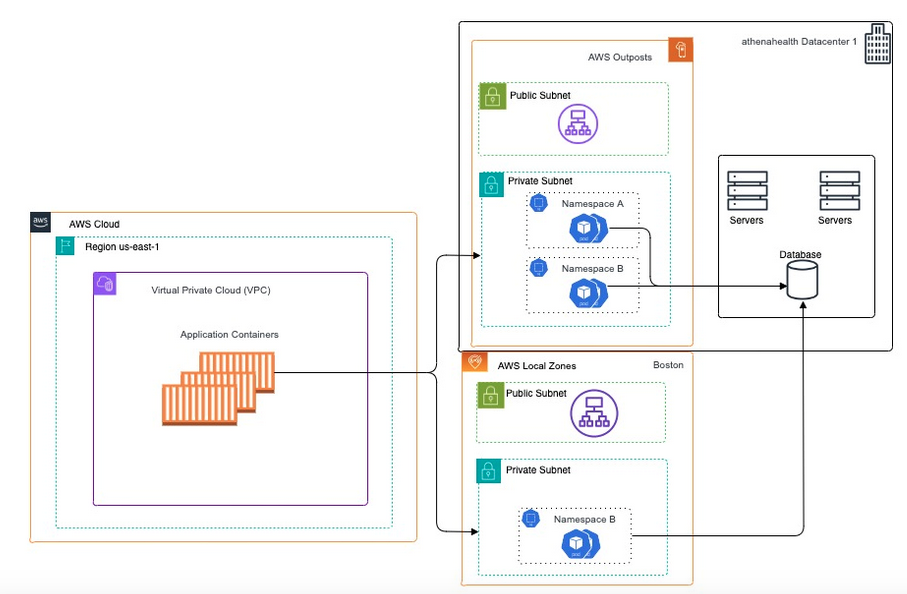
AWS leads in overall cloud power. Outposts brings AWS services directly into your data center for a consistent experience. It handles low-latency needs and strict compliance. Many firms use it to extend AWS for hybrid workloads without refactoring code.
Check out this AWS Outposts hybrid setup diagram:

3. Google Cloud (with Anthos / Google Distributed Cloud)
Anthos stands out for true multi-cloud and hybrid portability. It runs Kubernetes anywhere and supports workloads across GCP, AWS, Azure, and on-prem. Google excels in open-source focus, AI, and avoiding vendor lock-in.
4. VMware Cloud Foundation (now under Broadcom)
VMware remains a hybrid staple. Cloud Foundation delivers uniform operations from data center to cloud and edge. It suits legacy-heavy enterprises transitioning to modern apps. Gartner consistently names it a leader in distributed hybrid infrastructure.
5. IBM Cloud (with Red Hat OpenShift)
IBM combines strong hybrid roots with Red Hat OpenShift for container management. It fits regulated industries needing AI, analytics, and modular deployments. OpenShift runs consistently across environments.
6. Oracle Cloud Infrastructure (OCI) Distributed Cloud
OCI pushes “cloud in your data center” with Dedicated Regions and Exadata Cloud@Customer. It leads in vision for sovereign and hybrid needs, especially databases and enterprise apps. Gartner positions Oracle furthest in completeness of vision.
7. Nutanix Cloud Platform
Nutanix simplifies hyperconverged infrastructure for hybrid multi-cloud. It unifies app, data, and AI management across locations. Easy operations make it popular for edge and distributed setups. Analysts name it a leader in DHI.
8. HPE GreenLake
HPE delivers as-a-service hybrid cloud. GreenLake brings cloud economics to on-prem with consumption-based pricing. It covers compute, storage, and networking — ideal for organizations wanting flexibility without full migration.
9. Dell Technologies APEX
Dell APEX offers hybrid cloud as-a-service on Dell hardware. It integrates tightly with major public clouds. Strong for storage-heavy workloads and multi-vendor environments.
10. Red Hat OpenShift (standalone or integrated)
OpenShift powers many hybrid platforms (including IBM). It provides enterprise Kubernetes for consistent development and deployment across hybrid setups. Open-source roots ensure portability.
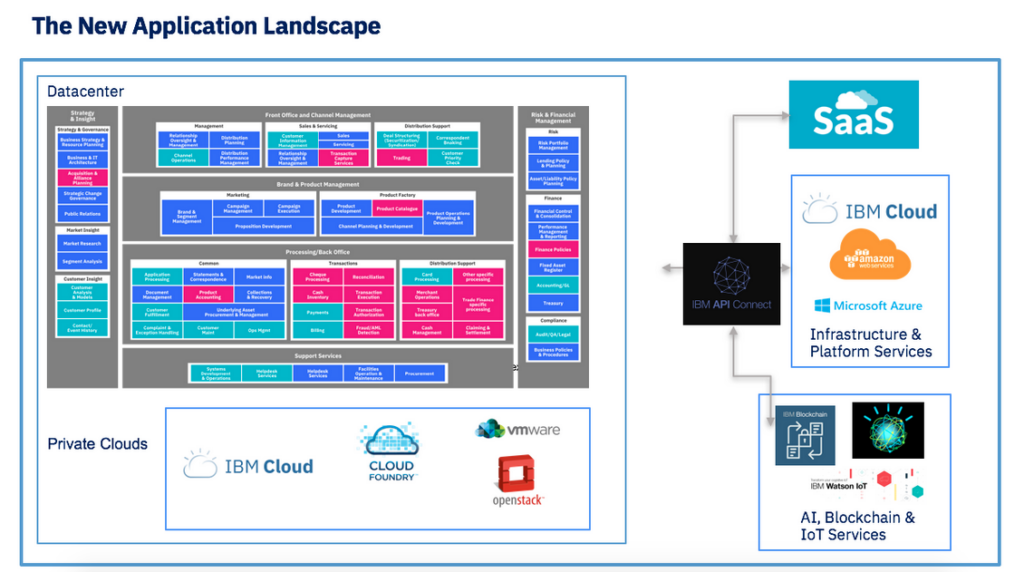
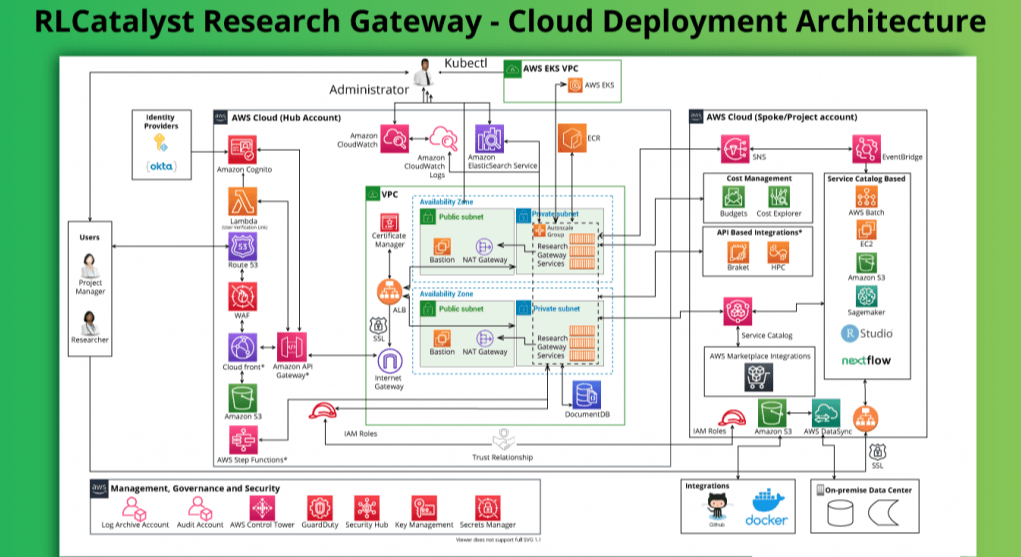
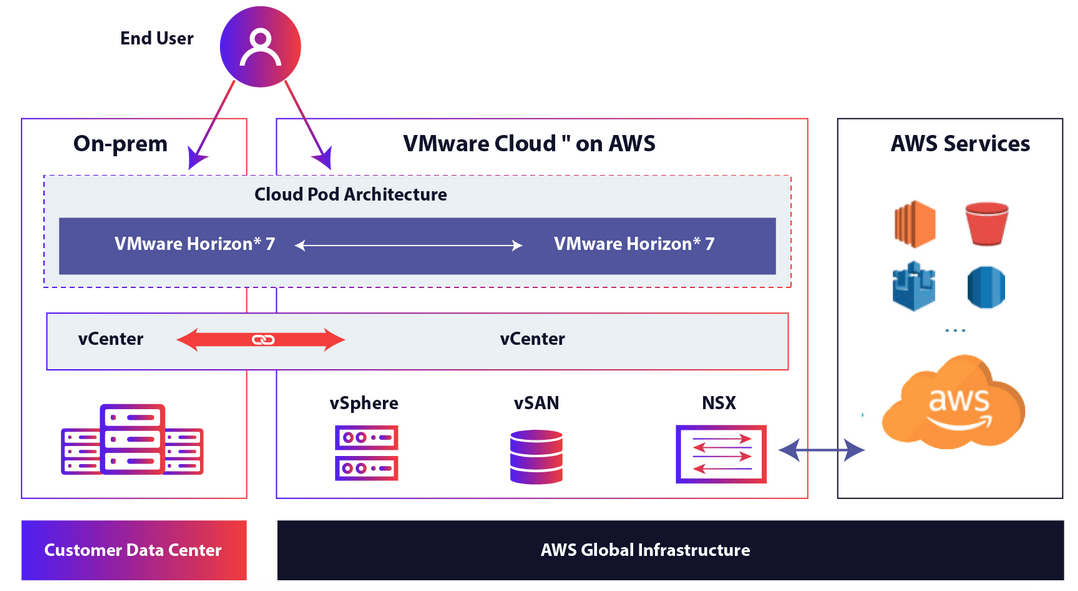
Here are general hybrid cloud architecture examples to visualize how these solutions connect environments:


In 2026, the best choice depends on your stack. Microsoft Azure wins for enterprise ecosystems, AWS for raw power, and Anthos or Nutanix for multi-cloud freedom. Most organizations mix two or more for resilience. Start with a proof-of-concept on your top workloads to find the right fit. Hybrid cloud drives agility, cost control, and innovation — and these leaders make it happen.
Wrapping It Up
Hybrid cloud offers businesses a path to thrive in 2026. It blends flexibility, security, and efficiency. Follow the tutorial, adopt best practices, and watch your operations transform. Start small, learn as you go, and scale confidently. The future looks bright with hybrid at your side.