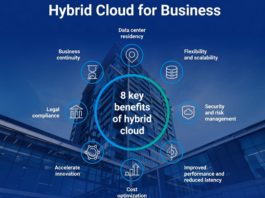
In the rapidly evolving tech landscape of this year, there are several Hybrid Cloud Career Opportunities. This is because hybrid cloud computing stands out as a trending technology, that mixes the security and control of on-premises infrastructure with the scalability and innovation of public cloud services. As organizations worldwide adopt hybrid models to handle AI-driven workloads, data sovereignty requirements, and cost efficiencies, the demand for skilled professionals in this domain has go higher.
For tech students and individuals pursuing careers in IT, hybrid cloud offers a wealth of opportunities, from entry-level positions to high-level architecture roles. Meanwhile, companies benefit immensely by building teams that can optimize hybrid environments, driving business agility and competitive advantage.
According to recent industry projections, cloud-related jobs, including those focused on hybrid setups, are growing at a rate of 15-22% annually through 2032, fueled by global investments in AI and cloud infrastructure exceeding $1.5 trillion. This article explores the career landscape in hybrid cloud, detailing roles, skills, job opportunities for different people, benefits for companies, and practical advice for those studying tech.
Emerging Roles in Hybrid Cloud
Hybrid cloud careers span a variety of specialized positions that require expertise in integrating private and public clouds, ensuring seamless data mobility, and addressing security and performance challenges. These roles are increasingly cross-functional, combining technical prowess with business acumen to align IT strategies with organizational goals.
Key roles include:
1. Cloud Architect:
Responsible for designing and implementing hybrid cloud infrastructures that balance scalability, security, and cost. They evaluate business needs, select appropriate cloud providers (e.g., AWS, Azure, GCP), and architect solutions for workload migration and optimization. This role is ideal for those with a strong foundation in networking and virtualization.
2. DevOps/DevSecOps Engineer:
Focuses on automating deployment pipelines, CI/CD processes, and security integrations in hybrid environments. They ensure reliable, secure operations across on-premises and cloud systems, often using tools like Kubernetes for orchestration. Demand for DevSecOps has grown 12-22% year-over-year, particularly in SaaS and enterprise settings.
3. Site Reliability Engineer (SRE):
Maintains the uptime and performance of hybrid cloud systems, implementing monitoring, incident response, and scalability measures. SREs are crucial for large-scale operations where hybrid setups handle AI workloads and real-time data processing.
4. FinOps Specialist (Cloud Cost Optimization):
Manages financial aspects of hybrid cloud usage, providing visibility into spending, optimizing resource allocation, and aligning costs with business value. This emerging role sits at the intersection of engineering, finance, and leadership, addressing the growing concern of cloud overspending.
5. Cloud Security Analyst/Cybersecurity Specialist:
Protects hybrid infrastructures from threats by implementing zero-trust models, encryption, and compliance frameworks. With expanding digital attack surfaces, these roles are projected to grow faster than average, driven by regulatory pressures like GDPR and CCPA.
Entry-level roles, such as Junior Cloud Support Engineer or Hybrid Cloud Administrator, provide stepping stones, involving tasks like basic configuration and monitoring. Take a look at some Major Trends of Cloud Security [New Update].
Required Skills and Certifications
Success in hybrid cloud careers demands a mix of technical, soft, and adaptive skills. Employers prioritize practical capabilities over formal degrees, with over 70% favoring skills-based hiring.
- Core Technical Skills: Proficiency in cloud platforms (AWS, Azure, Google Cloud), containerization (Docker, Kubernetes), automation scripting (Python, Go), CI/CD tools (Jenkins, GitHub Actions), and networking for hybrid connectivity (e.g., VPNs, SD-WAN).
- Advanced Skills: Multi-cloud and hybrid-specific knowledge, including data fluency for optimization, AI literacy for integrating machine learning workflows, and security fundamentals like Zero Trust architecture.
- Soft Skills: Strong communication to explain technical trade-offs to stakeholders, adaptability for continuous learning, and critical thinking for problem-solving in dynamic environments.
Certifications boost employability and salaries by up to 17-22%. Recommended ones include AWS Certified Solutions Architect, Microsoft Azure Administrator, Google Cloud Professional Architect, CompTIA Cloud+, and specialized hybrid certs like VMware Certified Professional – Data Center Virtualization. Multi-cloud certifications (e.g., in AWS and Azure) enhance mobility and salary growth.
Job Opportunities for Tech Bros
For tech guys and ladies, particularly those studying tech, hybrid cloud opens doors to diverse, high-growth careers. With tech occupations expanding at 15% through 2032, hybrid cloud specialists are in high demand across sectors like finance, healthcare, retail, and government, where data privacy and scalability are critical.
Opportunities are global, with strong hiring in North America, Europe, and Asia-Pacific, supported by hybrid/remote work models (65% of roles). Entry-level positions start at $65,000-$90,000, offering pathways to senior roles. Freelance and consulting gigs are also abundant, allowing individuals to work on hybrid migrations for multiple clients.
Tech students can leverage internships at organizations like NASA, Google, or Amazon to gain hands-on experience. The field rewards continuous upskilling, with AI integration adding a 17.7% salary premium. Job searches may take 6-12 months, but building a portfolio of projects (e.g., deploying a hybrid app) significantly improves prospects.
Salaries and Growth Projections for Hybrid cloud Job roles
Hybrid cloud roles are among the best-paying in tech, reflecting their strategic importance. Average salaries in 2026 include:
| Role | Average Salary Range (USD) | Growth Projection |
|---|---|---|
| Cloud Architect | $147,000 – $199,000+ | 15-20% annually |
| DevOps/DevSecOps Engineer | $131,000 – $154,000+ | 12-22% YoY |
| Site Reliability Engineer | $130,000 – $170,000 | Steady, 15% through 2032 |
| FinOps Specialist | $120,000 – $160,000 | Emerging, high growth |
| Cloud Security Analyst | $125,000 – $165,000 | Faster than average (20%+) |
Opportunities for Companies offering Hybrid Cloud Services
For companies, investing in hybrid cloud talent yields substantial benefits, including enhanced operational efficiency, reduced costs through optimization, and accelerated innovation. By hiring experts in hybrid architectures, businesses can seamlessly integrate AI, edge computing, and multi-cloud strategies, improving resilience against disruptions.
Companies like Amazon, Microsoft, and Google lead in hybrid cloud hiring, but non-tech enterprises in finance and healthcare also seek internal teams for compliant, scalable systems. Skills-based hiring allows firms to build diverse, adaptable workforces, with partnerships for training (e.g., bootcamps) ensuring a steady talent pipeline. Ultimately, hybrid cloud expertise enables companies to align technology with business outcomes, increasing growth in a data-driven economy.
How to Get Started: Advice for Tech Students
Tech students should focus on building a strong foundation early. A 12-month plan includes: Months 0-3 for learning basics (Python, cloud fundamentals); 3-6 for projects and bootcamps (e.g., Nucamp’s DevOps program at $2,124); 6-12 for certifications, portfolios, and job applications.
Prioritize open-source contributions, networking on LinkedIn, and internships. Bootcamps and MOOCs offer cost-effective alternatives to degrees, emphasizing practical skills like deploying hybrid apps. Aim for 10-15 tailored applications weekly, highlighting AI and security integrations for a competitive edge.
Trends for Hybrid Cloud Career Opportunities
This year, hybrid cloud careers are shifting toward AI-cloud hybrids, with emphasis on sustainable practices, edge computing, and geopatriation for data sovereignty. Multi-hybrid deployments and intent-based networking are rising, creating demand for versatile professionals. University programs are aligning with these trends, preparing students for roles in CS and IT departments.
Conclusion
Hybrid cloud presents a dynamic career path for tech students and individuals, offering lucrative roles, global opportunities, and the chance to drive technological innovation. For companies, it’s a strategic investment in agility and efficiency. By acquiring relevant skills and certifications, aspiring professionals can thrive in this high-demand field, contributing to the future of digital transformation.