
In retail, hospitality, and small business operations, iPad-Based POS Systems Point of Sale (POS) systems have evolved from difficult cash registers to easy, mobile solutions that fit right in your hand—or on your tablet. As we step into 2026, iPad-based POS systems are leading the charge, offering unparalleled flexibility, affordability, and integration with modern business needs. These systems leverage the iPad’s intuitive touchscreen, portability, and robust app ecosystem to streamline transactions, manage inventory, and enhance customer experiences. Whether you’re running a boutique shop, a bustling restaurant, or a pop-up event, iPad POS apps are becoming indispensable tools for efficiency and growth.
This article talks about into the latest trends shaping iPad POS technology, highlights the top systems and applications making trends in 2026, and explores their features, pricing, and real-world applications. Drawing from recent industry analyses, we’ll uncover why these solutions are trending and how they can future-proof your business.
Why Choose iPad-Based POS Systems in 2026?
iPad POS systems stand out for their mobility and cost-effectiveness compared to traditional hardware-heavy setups. Unlike fixed terminals, an iPad setup allows staff to process sales from anywhere in the store, at events, or even tableside in restaurants. This portability reduces wait times and improves customer satisfaction. Additionally, with Apple’s ecosystem, these systems integrate seamlessly with other devices and apps, enabling features like contactless payments and real-time analytics.
Key benefits include:
- Cost Savings: No need for expensive proprietary hardware; start with just an iPad and a card reader.
- Ease of Use: Intuitive interfaces mean minimal training for staff.
- Scalability: Cloud-based syncing allows for easy expansion to multiple locations.
- Security and Compliance: Built-in encryption and biometric options ensure data protection.
- Customization: Thousands of integrations via app stores for tailored functionality.
As businesses face economic pressures like inflation, these systems offer flexible pricing models, such as pay-as-you-go, making them accessible for startups and SMBs.
Top iPad-Based POS Systems and Applications for 2026
Based on expert reviews and market adoption, here are some of the most innovative and trending iPad POS solutions this year. These picks emphasize user-friendly design, advanced features, and adaptability to emerging tech like AI and omnichannel sales.
1. Square iPad-Based POS Systems: The All-Around Champion for Small Businesses

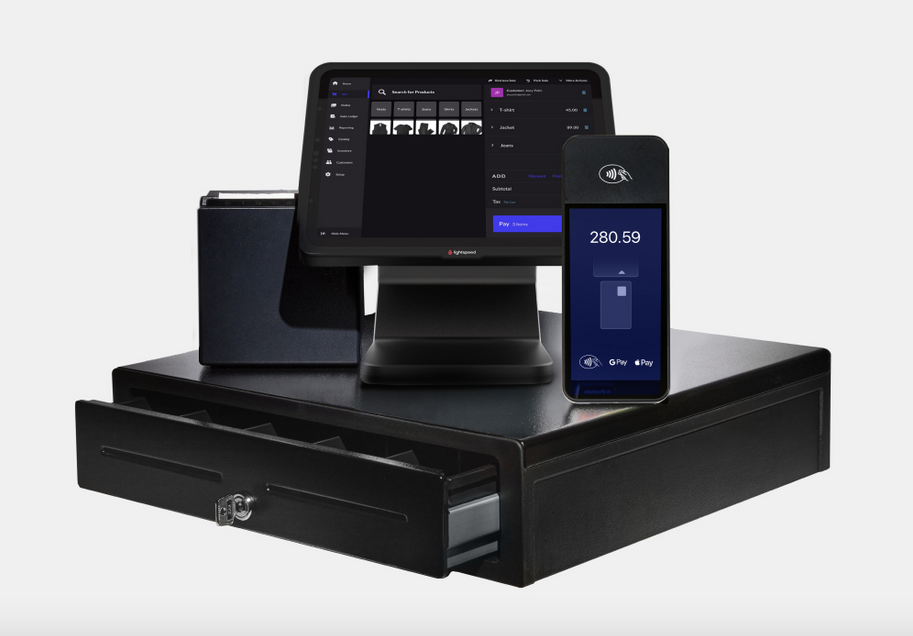
Square continues to dominate as the best overall iPad POS system, praised for its simplicity and versatility. Ideal for retail shops, food trucks, and cafes, it turns any iPad into a full-fledged POS with features like inventory tracking, customer loyalty programs, and email/SMS marketing. New in 2026: Enhanced AI-driven insights for sales forecasting and automatic stock alerts to prevent shortages.
Key Features of this iPad-Based POS Systems:
- Customizable product catalogs with bulk uploads.
- Support for gift cards, refunds, and digital wallets.
- Offline mode for uninterrupted sales during connectivity issues.
- Robust reporting on sales trends and employee performance.
Pricing: Free software with transaction fees of 2.6% + $0.10 for card-present payments; no monthly fees for basics. Hardware starts at $0 (free card reader) up to $149 for stands.
Square’s no-upfront-cost model makes it trending among bootstrapped entrepreneurs, with seamless integration for online stores via Square Online.
2. Clover iPad-Based POS Systems: Powerhouse for Growing Enterprises

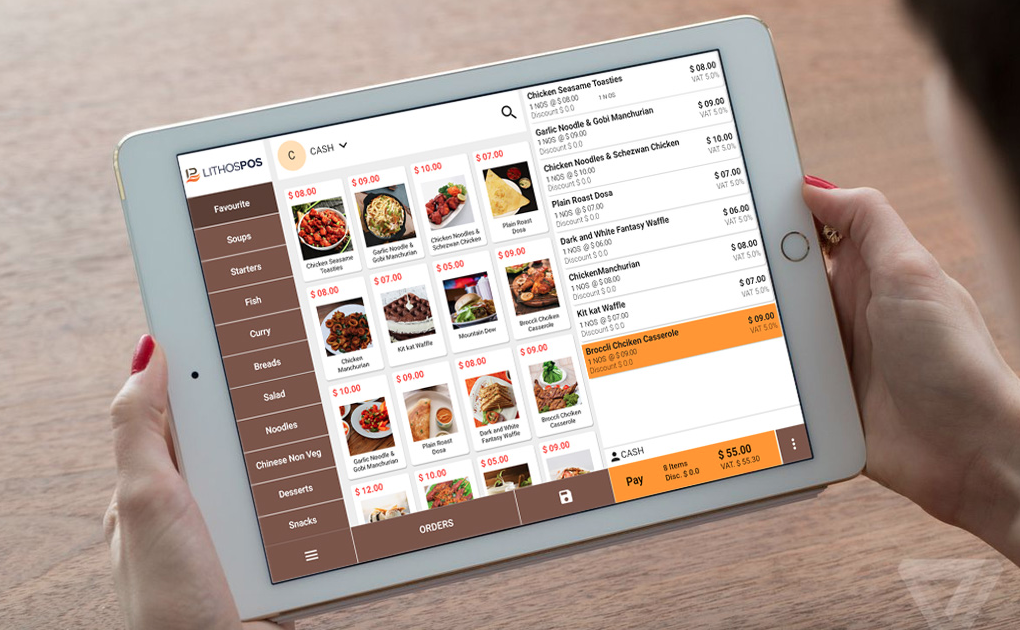
Clover shines for businesses scaling up, offering a modular app market for custom integrations like scheduling and payroll. Its iPad app, Clover Go, is optimized for mobility, making it perfect for retail and service industries. Trending updates include AI-enhanced analytics for team performance and inventory optimization, aligning with 2026’s focus on data-driven decisions.
Key Features of this iPad-Based POS Systems:
- Advanced reporting on sales, inventory, and employee metrics.
- App Market for third-party add-ons (e.g., loyalty apps, e-commerce sync).
- Portable card readers for on-the-go payments.
- Table management for restaurants with order routing.
Pricing: Starter hardware at $199 + transaction fees (2.6% + $0.10); Essentials plan adds $29.95/month for advanced features.
Clover’s cloud-based flexibility is a hit for multi-location setups, reducing hardware dependencies.
3. Lightspeed iPad-Based POS Systems: Global Reach for Diverse Businesses

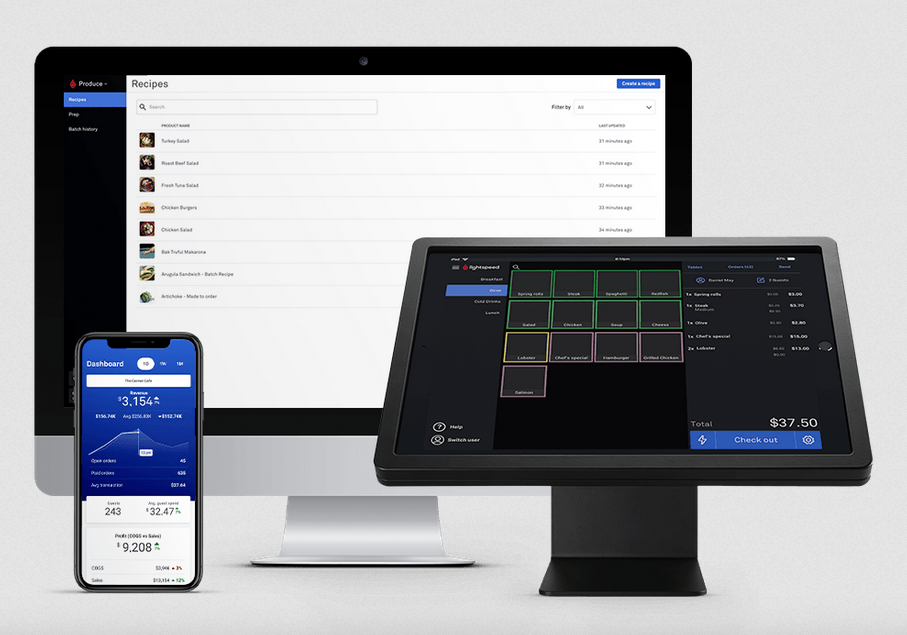
Lightspeed is trending for its international capabilities, supporting sales in over 100 countries—ideal for e-commerce hybrids. Tailored for retail and hospitality, its iPad app provides walkthrough setups based on business type. New for 2026: Integration with generative AI for personalized marketing and dynamic pricing.
Key Features of this iPad-Based POS Systems:
- Omnichannel inventory syncing across stores and online.
- Table reservations and floor plans for restaurants.
- Real-time analytics with exportable reports.
- Multi-currency and language support.
Pricing: Starts at $69/month + 2.6% + $0.10 fees; no implementation costs.
Lightspeed’s adaptability makes it a go-to for apparel stores and global brands expanding digitally.
4. Shopify: Seamless for E-Commerce Integration
For businesses blending physical and online sales, Shopify’s iPad POS excels in shipping logistics and multi-channel management. It’s trending in 2026 with AI-powered customer profiling and automated fulfillment, perfect for retail with warehouses.
Key Features:
- Linked inventory across all sales channels.
- Employee management, marketing tools, and CRM.
- Buy Online, Pick Up In-Store (BOPIS) support.
- Detailed reports on customer behavior.
Pricing: $29/month base + 2.7% transaction fees; scalable plans available.
Shopify’s ecosystem is booming for dropshipping-integrated stores.
5. SpotOn: Staff-Centric Innovation
SpotOn stands out for team management, with features like two-way messaging and schedule coordination—trending for labor-short industries. Its iPad app includes offline functionality and tip pooling, making it ideal for restaurants and services.
Key Features:
- Time-off requests and shift trading.
- Real-time sales and inventory alerts.
- Integration with online ordering platforms.
- Custom loyalty programs.
Pricing: Free base with hardware; paid plans from $25/month + lower fees (1.99% + $0.25).
Other Notable Mentions
- SumUp: Focuses on speed with simple UI and online store sync; free app + 2.6% + $0.10 fees.
- Epos Now: Excels in large inventory management with cost-profit tracking; from $39/month.
- Revel: Restaurant specialist with kitchen displays; $99/month.
- Vend: Top customer service; $69/month, processor-agnostic.
These systems are seeing increased adoption due to their iPad compatibility, which supports quick setups and remote access.
Emerging Trends in iPad POS Technology for 2026
The POS landscape is evolving rapidly, with iPad systems at the forefront of innovation. Key trends include:
- Cloud Adoption: Enabling real-time data access and plug-and-play setups on iPads, perfect for pop-ups and events.
- AI and ML Integration: For predictive analytics, fraud detection, and personalized upsells—expect more AI agents handling orders via voice or chat.
- Advanced Hardware and Self-Service: Tablet kiosks for self-checkout, Bluetooth peripherals, and biometric security to reduce fraud.
- Expanded Payments: Support for cryptocurrencies, NFC wearables, and contactless options beyond cards.
- Industry-Specific Enhancements: In retail, omnichannel BOPIS with geofencing; in hospitality, integrated delivery apps like Uber Eats.
These trends emphasize flexibility and automation, with iPads serving as cost-effective hubs for AI-driven operations.
Case Studies: Real-World Success
A boutique retailer using Square reported a 30% sales increase via targeted marketing, while a chain restaurant with Lightspeed streamlined global operations, cutting inventory waste by 20%. These examples highlight how iPad POS systems drive efficiency and revenue.
Conclusion: Embracing the Future of POS
As 2026 unfolds, iPad-based POS systems like Square, Clover, and Lightspeed are not just tools but strategic assets for business growth. With trends leaning toward AI, cloud, and mobility, investing in these applications can provide a competitive edge. Evaluate your needs—whether it’s inventory depth, staff tools, or global reach—and test a few via free trials. The shift to tablet POS isn’t just trending; it’s transforming how businesses operate in a digital-first world.